Here’s why veterans struggle with VA disability claims: the system runs on legal and medical proof, not on how clearly you can explain your condition. Miss the nexus evidence, miss a filing window, or turn in a thin exam and the VA doesn’t call to ask what you meant. It just denies the claim. VetsForever, a veteran-founded organization providing legal representation through VA-accredited representatives, exists because that gap between what veterans know and what the VA requires is exactly where good claims stall out.

The VA Doesn’t Grade on Effort
A VA claim isn’t a story, it’s a legal filing. It gets scored against 38 C.F.R., not against how honestly you describe your condition. Most veterans fill out that first claim like they’re filling out a leave request: straightforward, no games. The VA reads it like a court filing. That mismatch is where most claims go sideways.
Here are the six places veterans get stuck most often.
1. Missing or Weak Medical Nexus Evidence
Service connection needs a straight line from your time in uniform to your condition today. Under 38 C.F.R. § 3.303, that line has to come from a doctor, not your own account of what happened. Show up without a nexus letter, or with one that dances around the legal standard, and the VA denies a real, service-connected condition for lack of proof. Not because you’re wrong. Because the file doesn’t say what the regulation needs it to say.
2. Misreading VA’s Duty to Assist
Under 38 C.F.R. § 3.159, the VA is on the hook for tracking down certain records, like your service treatment file. That’s the extent of it. It doesn’t hand the VA your whole case to build for you. Veterans who sit back and wait on the VA to do the digging lose months, sometimes the whole claim, waiting on a process that was never built to carry it alone.
3. Filing Without Understanding Effective Dates
Under 38 C.F.R. § 3.400, your effective date, and the back pay riding on it, is locked to when you file, not when the VA finally rules. Wait to file until everything’s “perfect” and you’re not protecting your claim, you’re giving away months or years of pay you already earned. File on time. Build the file while the clock is running, not before.
4. Refiling Without New and Material Evidence
Send the same paperwork back in after a denial and you’ll get the same denial back. Under 38 C.F.R. § 3.156, reopening a denied claim takes new and material evidence: something the file didn’t have before that actually speaks to why you got denied. Resubmitting the same stack and hoping for a different reviewer isn’t a strategy. It’s a rerun.
5. Incomplete C&P Exam and DBQ Documentation
Plenty of solid, service-connected claims get denied because the exam paperwork didn’t do the condition justice. A rushed C&P exam or a thin Disability Benefits Questionnaire can undercut a case that had everything it needed, if the paperwork had actually said so.
6. Navigating a Legal Claim Without Legal Representation
A VA claim is a legal filing, decided against a legal standard, with real deadlines. Veterans who go it alone are often reading 38 C.F.R. for the first time in the middle of their own appeal, which is not when you want to be learning the rules.
VetsForever is a veteran-founded organization. We provide legal representation through VA-accredited representatives for VA disability claims, appeals, and military discharge upgrades. Our VA-accredited representative has direct VBMS access to your VA file. Serving veterans nationwide.
That VBMS access matters. Your case doesn’t sit in a black box while you wait on a letter in the mail. If you’re deciding whether to file solo or bring in VA-accredited representation, get a case review before you submit anything.
Beyond the Rating: 10 Things Every Veteran Should Know About VA Disability Claims
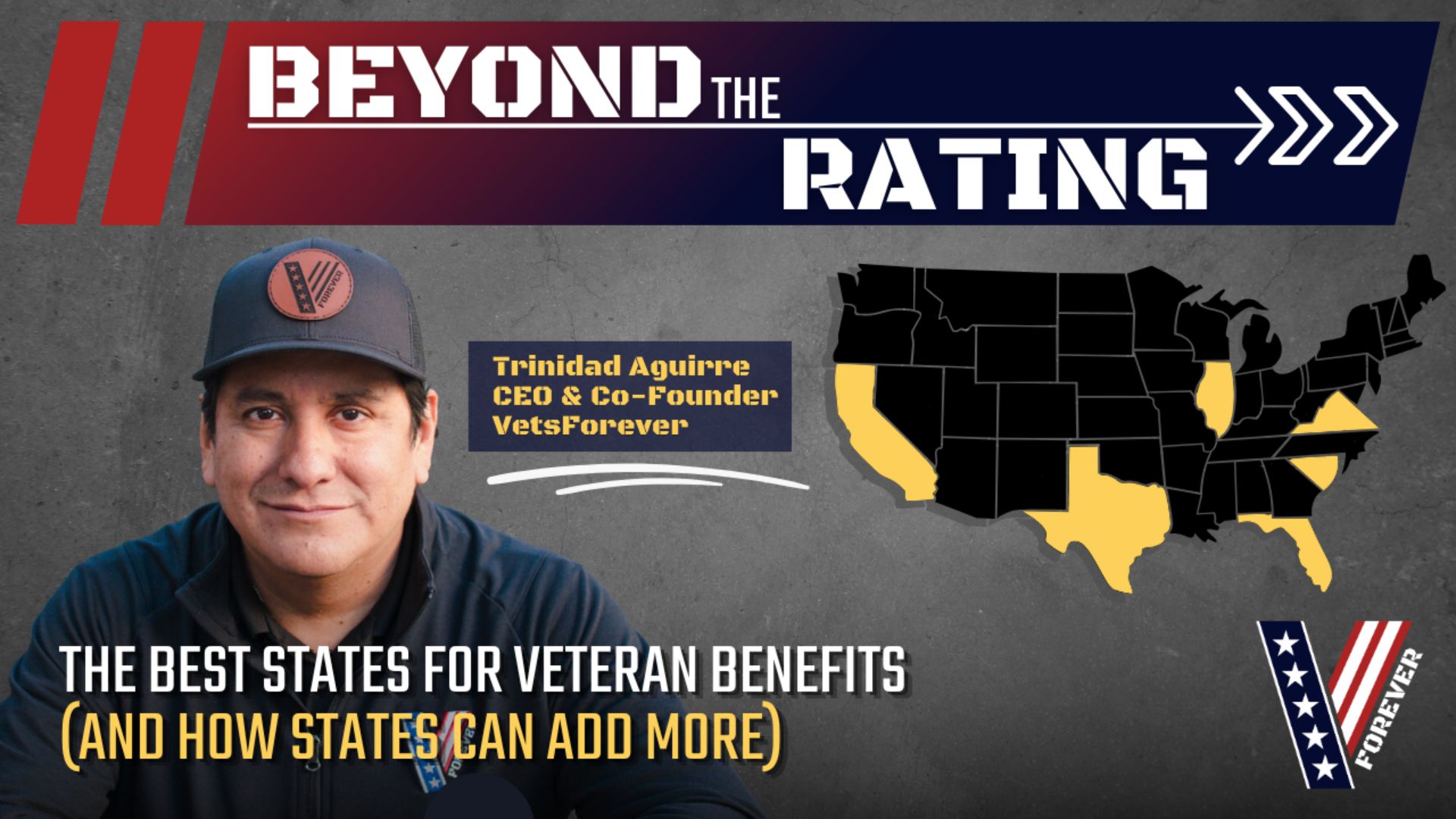
In this episode, Trinidad Aguirre, VetsForever CEO and Co-Founder, walks through ten things he wishes every veteran knew before filing a claim: presumptive conditions skip the nexus requirement, VA-accredited representation changes outcomes, disability compensation is earned rather than a handout, one veteran’s claim never reduces another’s benefits, a higher rating can extend benefits to family, there’s no deadline to file, and a denial is a starting point, not the end.
Check out the companion post to this video: 10 Things Every Veteran Should Know About VA Disability Claims.
Frequently Asked Questions
Why do veterans struggle with the VA claims process? Because it runs on legal and medical standards, not on how clearly you can explain your situation. Most veterans learn the actual rules under 38 C.F.R. the hard way, after a denial letter shows up.
What makes learning the VA claims process without training difficult? The rules read like they were written for lawyers, because they were. Service connection under 38 C.F.R. § 3.303 and the evidence standards under § 3.159 aren’t things you pick up by common sense, and most veterans only learn what was actually required after they’ve already been denied for missing it.
Why do most VA disability claims get denied? Usually the condition was never the problem, the file was. Missing nexus evidence, a rushed C&P exam, and evidence gaps you didn’t know you had to fill account for most denials.
What is a nexus letter and why does it matter for a VA claim? It’s the medical opinion that ties your condition directly to your service, and under 38 C.F.R. § 3.303 you need it to establish service connection. Skip it, and even a clearly service-related condition gets denied for lack of proof.
What is VA’s duty to assist in a disability claim? Under 38 C.F.R. § 3.159, the VA has to track down certain records for you, like your service treatment file. That’s where the VA’s job ends and yours begins: you’re still on the hook for the evidence your claim actually needs.
How does the effective date affect VA disability back pay? Your effective date locks in the moment you file under 38 C.F.R. § 3.400, so holding out until your case feels “perfect” costs you money you already earned. File first, build the evidence while the claim is pending.
What happens if my VA claim is denied and I want to refile? What happens if my VA claim is denied and I want to refile? You need new and material evidence under 38 C.F.R. § 3.156, something the record didn’t already have that speaks to why you got denied. Send back the same file and you’ll get the same answer. Depending on your case, a Supplemental Claim, Higher-Level Review, or Board Appeal may fit better than a straight refile.
Do I need VA-accredited representation to file a disability claim? No law requires it, but you’re filing a legal claim against a legal standard either way. VetsForever provides legal representation through VA-accredited representatives with direct VBMS access to your file, for veterans who’d rather not learn 38 C.F.R. alone.